
Five Common Food Storage Mistakes That Can Give You Food Poisoning
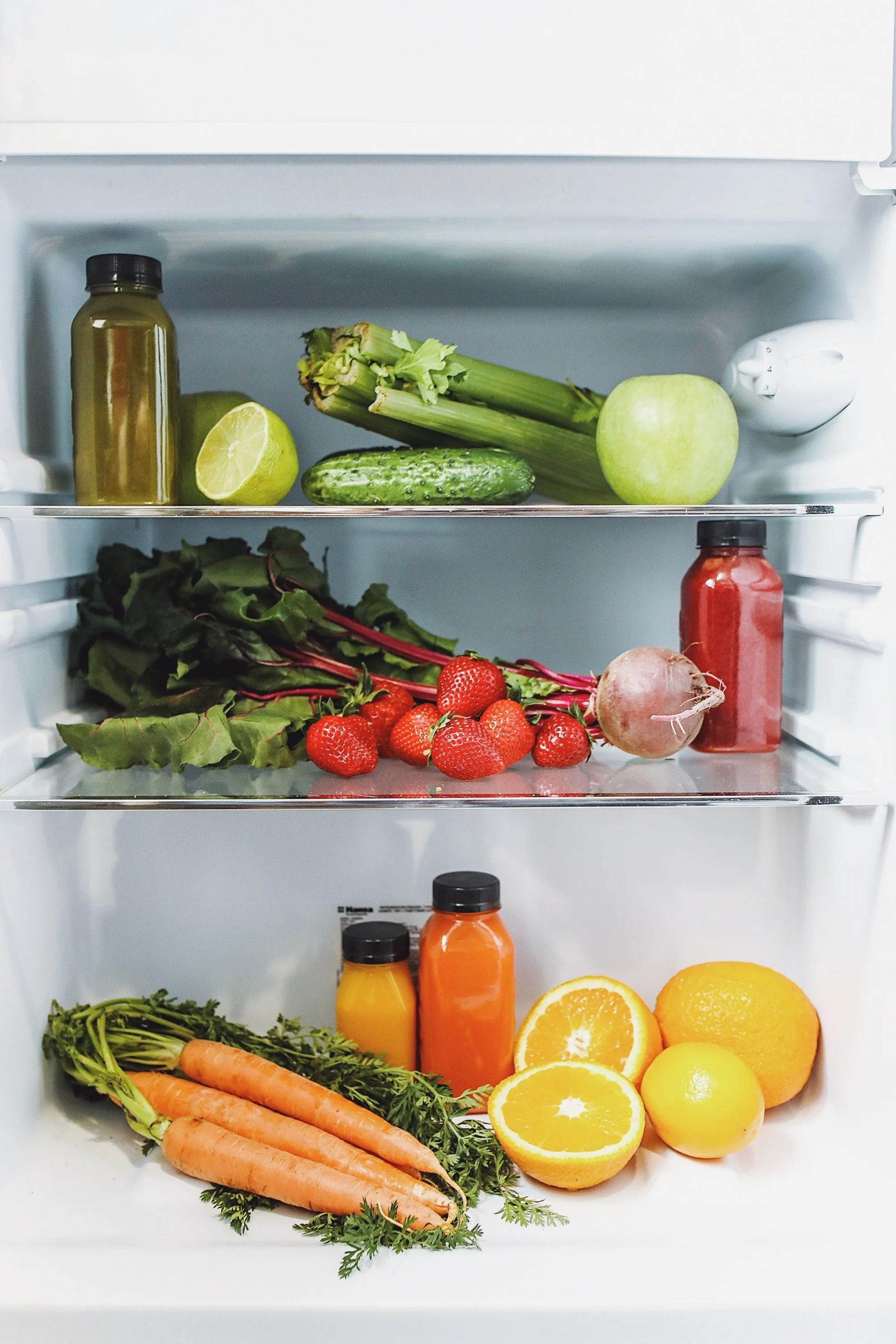
1. Defrosting food at room temperature.
2. Leaving cooked food out of the fridge to cool.
3. Not storing your lunch in a cool place during work/ school.
4. Refreezing defrosted food.
5. Not reheating cooked food after standing at room temperature.
If you could identify any of these common mistakes in your food storage practices, you might be putting yourself at risk for food borne illness. Diarrhoeal disease can be fatal for infants and young children or unborn babies. If you are pregnant or have a child under the age of five it’s especially important to take food hygiene seriously due to the higher risks involved.
Most bacteria thrive in warm, moist conditions. Anywhere between 5-60°C is considered "the danger zone". Bacteria thrive in the danger zone. Food should not stay in the danger zone for more than 2-4 hours. Cooked or fresh perishable food should be stored above 60°C or below 5°C at all times. Taking steps to control the temperature at which you store food will help reduce the risk of food borne disease eg. Novovirus, Salmonella, Listeriosis, EColi and Staph.
Here are our top practical tips for storing food safely:
1. Don’t defrost food at room temperature.
Frozen food should never be defrosted at room temperature. It should defrost in the fridge or on a hot stovetop. Letting frozen food defrost at room temperature allows it to enter the danger zone for more than 4 hours where bacteria will start growing. If you let it defrost in the fridge or warm stove top the food will either stay under 5°C in the fridge or climb to over 60°C on the stove within 2 hours.
2. Don’t leave cooked food out of the fridge to cool.
Cooked food should be cooled in the fridge as soon as possible to avoid being in the danger zone for too long. Yes, I know your gran probably told you to let the food cool down at room temperature before transferring to the fridge, but this practice exposes food to the danger zone for too long, leading to microbial growth that can make you sick. Bear in mind that when you put warm food in the fridge it can affect the temperature of food it comes in contact with through convention so making sure there is space between food that allows for adequate air flow will help prevent warming food stored closely to the warm food.
3. Store your lunch in a cool place during work/ school.
Work or school lunches should be stored in the fridge or in a lunch bag with an ice pack throughout the morning. Using an insulated lunch bag helps keep food cold for at least 4 hours, allowing you to keep your lunch safe from the time you leave home, to lunch time. Reheating cooked food properly is also important to make sure the food is safe food consumption.
4. Don’t refreeze defrosted food.
Defrosted food should never be refrozen. Once food is defrosted it should be cooked and consumed as soon as possible. Freezing does not kill bacteria, it only prevents the them from multiplying. So defrosted food will likely have some bacteria that can multiply at room temperature, meaning that if the food is refrozen, there will be an increase in the bacterial count when it is defrosted the second time, increasing the risk of food poisoning.
5. Reheat cooked food after standing at room temperature.
Once food has been exposed to the danger zone, you should heat it well and eat it as soon as possible. Heating food to an internal temperature of 74 °C for at least 15 seconds ensures that any bacteria that had a chance to multiply is killed, making the food safe for consumption.
In South Africa we face constant challenges to a constant power supply to keep our fridges and freezers running. You can still take steps to keep your food safe even if you’re facing intermittent power outages like during load shedding. Keeping your fridge and freezer doors closed during load shedding/ power outages as much as possible will help maintain the temperature. You can also use ice packs or blocks to pack in between refrigerated foods to help maintain the temperature. Fridges should stay under 5 °C while freezers should stay at -18°C when the power is on, so the food doesn’t instantly enter the danger zone between 5-60°C, especially if you follow the steps mentioned above.
As dietitians, we are trained in food safety and took microbiology as a compulsory module to fully understand how bacteria grow and spread. This topic is so multifaceted and complex, but we’ll cover more aspects at a later stage. Let us know if any of these storage tips were helpful and how you could use them.